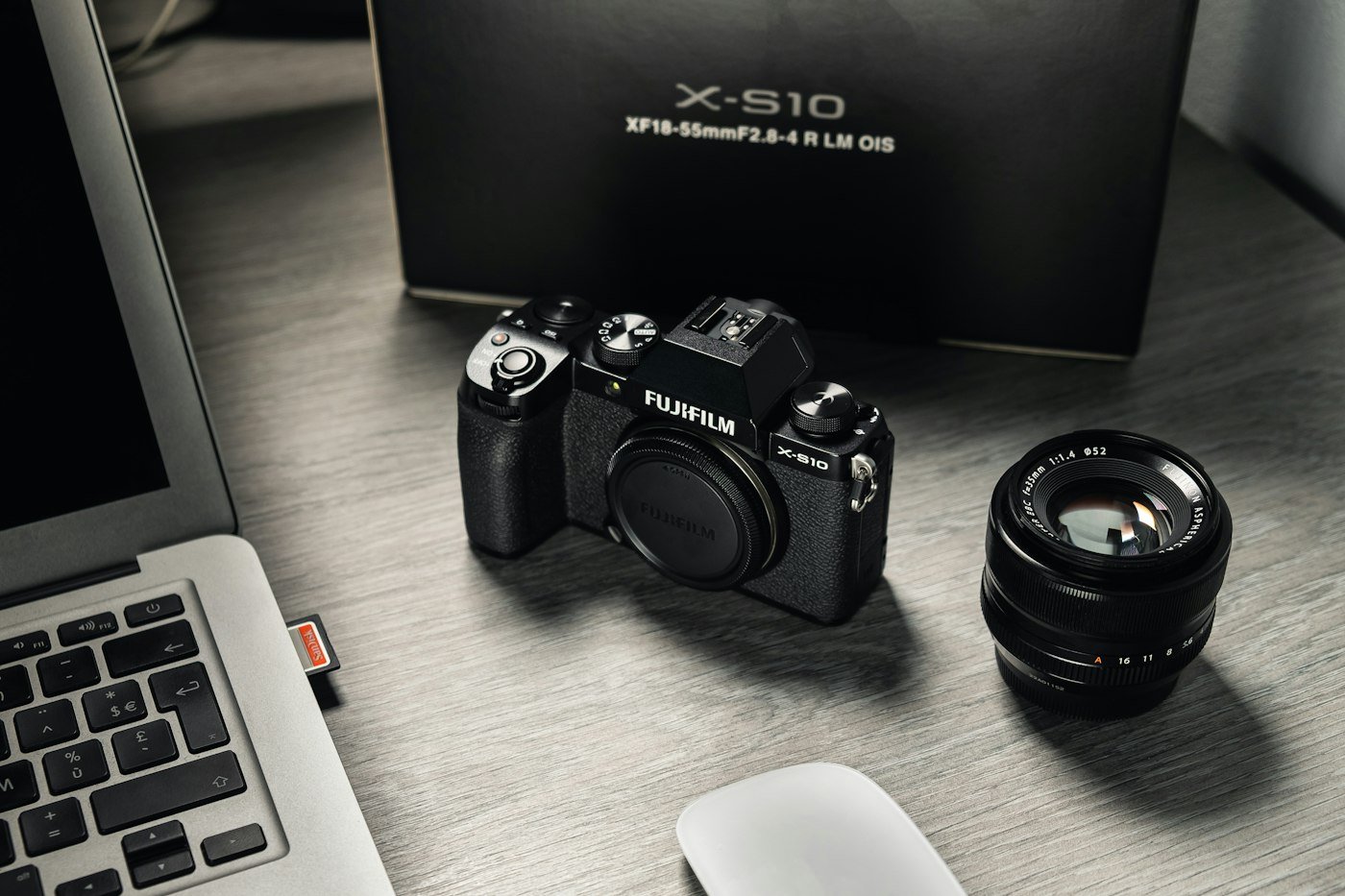
A mirrorless camera is the biggest upgrade you can make over a phone if you care about photos: a much larger sensor, real optical zoom, background blur that doesn’t look fake, and lenses you can swap as your skills grow. The hard part is choosing, because the camera body is only the start. The lens system you buy into will shape what you spend for years.
This shortlist covers ten cameras from about $680 to $1,500 (body only), including great first cameras, hybrid photo-and-video models and two affordable ways into full frame.
Quick verdict
Best first camera: Canon EOS R50: small, simple and affordable, with sharp 4K video.
Best all-rounder: Sony α6700: in-body stabilization, excellent autofocus and a huge lens selection.
Best way into full frame: Canon EOS R8: a full-frame sensor in a compact body for $1,499.
Compare the ten picks
| Pick | Best for | Sensor | In-body stabilization | Launch price (body) |
|---|---|---|---|---|
| 01. Canon EOS R50 | First camera | 24.2MP APS-C | No | $679.99 |
| 02. Sony α6700 | All-rounder, hybrid | 26MP APS-C | Yes | $1,399.99 |
| 03. Nikon Z50II | Travel and family | 20.9MP APS-C | No | $909.95 |
| 04. Fujifilm X-S20 | Creative hybrid | 26.1MP APS-C | Yes | $1,299.95 |
| 05. Canon EOS R10 | Action and upgrades | 24.2MP APS-C | No | $979.99 |
| 06. Sony α6400 | Budget E-mount | 24.2MP APS-C | No | $899.99 |
| 07. Canon EOS R8 | Affordable full frame | 24.2MP full frame | No | $1,499 |
| 08. Nikon Z fc | Retro style | 20.9MP APS-C | No | $959.95 |
| 09. Canon EOS R7 | Wildlife and sports | 32.5MP APS-C | Yes | $1,499 |
| 10. Fujifilm X-M5 | Smallest, film looks | 26.1MP APS-C | No | $799.95 |
The picks and their trade-offs
01. Canon EOS R50: best first camera
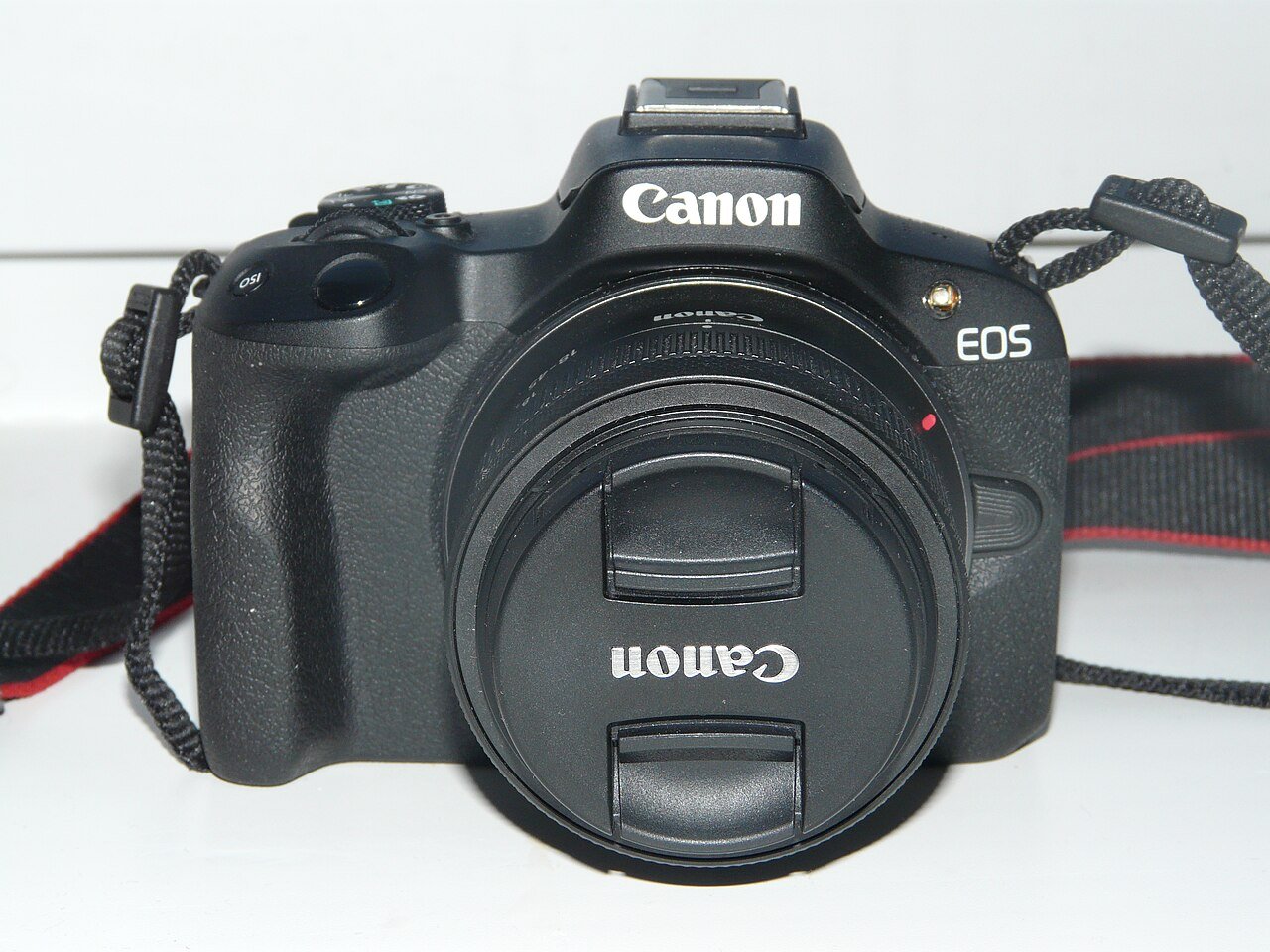
The R50 is one of the easiest cameras to recommend to beginners. It’s small and light, the guided menus explain settings in plain language, and it shoots sharp, uncropped 4K video oversampled from 6K. Autofocus tracks people, animals and vehicles reliably. Read our full Canon EOS R50 review.
Key specs: 24.2MP APS-C · DIGIC X · 4K 30p (6K oversampled) · Vari-angle touchscreen · EVF · Canon RF mount
Pros: Very beginner-friendly · Compact and light · Great autofocus for the price
Cons: No in-body stabilization · Small battery · Limited native RF-S lenses
Buy it if: It’s your first “real” camera and you want something simple you’ll actually carry.
Skip it if: You shoot a lot of handheld video or long events. Battery life is short.
02. Sony α6700: best all-rounder
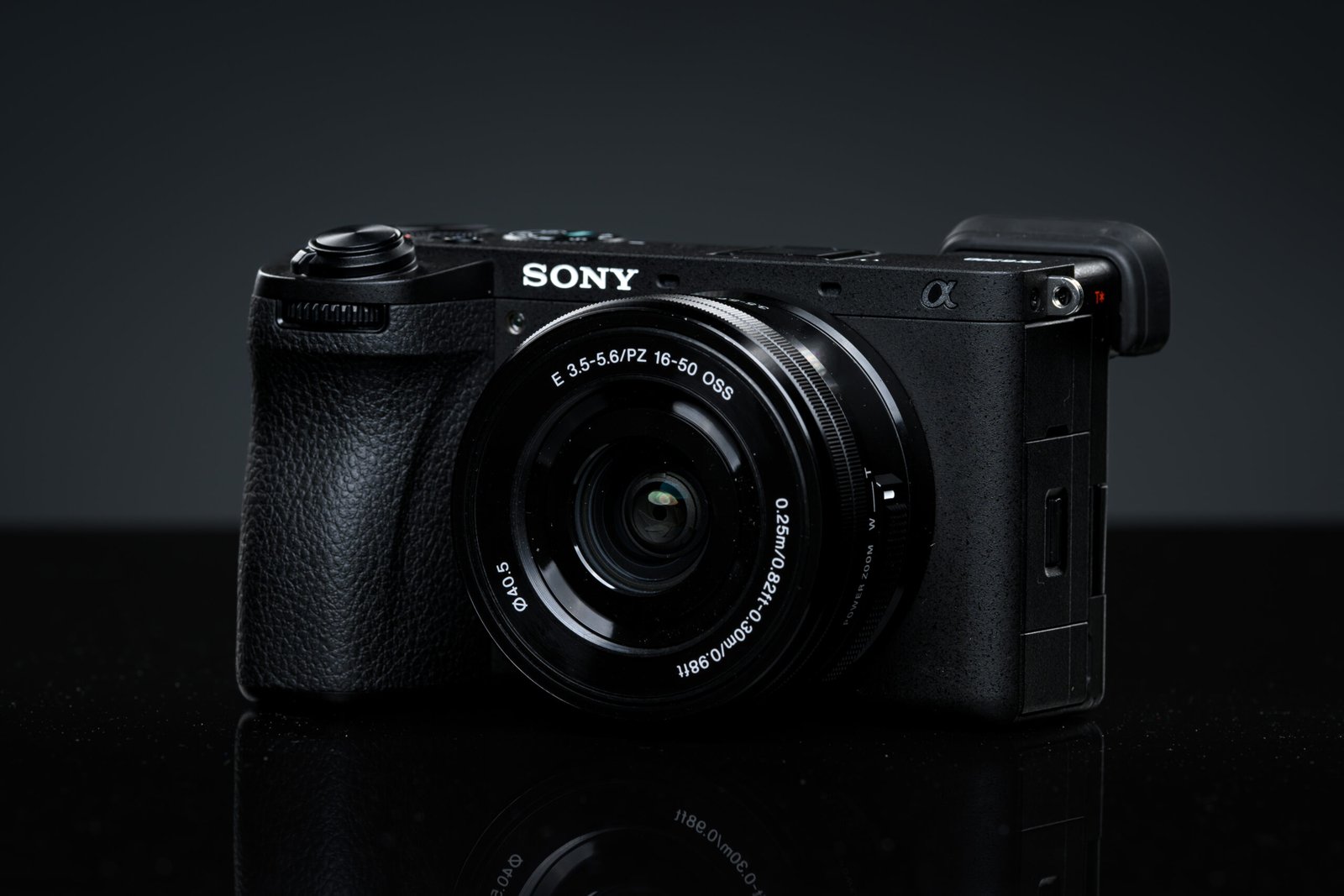
The α6700 is the camera to buy if you want one body that does everything well. It adds 5-axis in-body stabilization, an AI processing unit for very sticky subject tracking, 4K up to 120p and the large NP-FZ100 battery. Sony’s E-mount has the widest choice of lenses from Sony, Sigma, Tamron and Viltrox.
Key specs: 26MP APS-C BSI · 5-axis IBIS · AI subject recognition · 4K up to 120p · Vari-angle screen · Sony E-mount
Pros: Excellent autofocus · Strong battery life · Huge lens ecosystem
Cons: Twice the price of the R50 · Small EVF for the price
Buy it if: You shoot both photos and video and want room to grow.
Skip it if: You’re a casual beginner. The R50 or α6400 cost much less.
03. Nikon Z50II: best for travel and family
The Z50II replaced the original Z50 in late 2024 with a big brain upgrade: the Expeed 7 processor from Nikon’s pro cameras, which brings subject detection for nine types of subjects, a brighter viewfinder and 4K at up to 60p. It keeps the deep, comfortable grip that makes Nikon’s small cameras pleasant to hold.
Key specs: 20.9MP APS-C · Expeed 7 · Subject detection · 4K up to 60p · Vari-angle screen · Nikon Z mount
Pros: Pro-level autofocus brains · Comfortable grip · Picture Control presets
Cons: No in-body stabilization · Fewer DX lenses than Sony or Fujifilm
Buy it if: You want an easy, capable camera for trips and family moments.
Skip it if: You need in-body stabilization for video.
04. Fujifilm X-S20: best creative hybrid
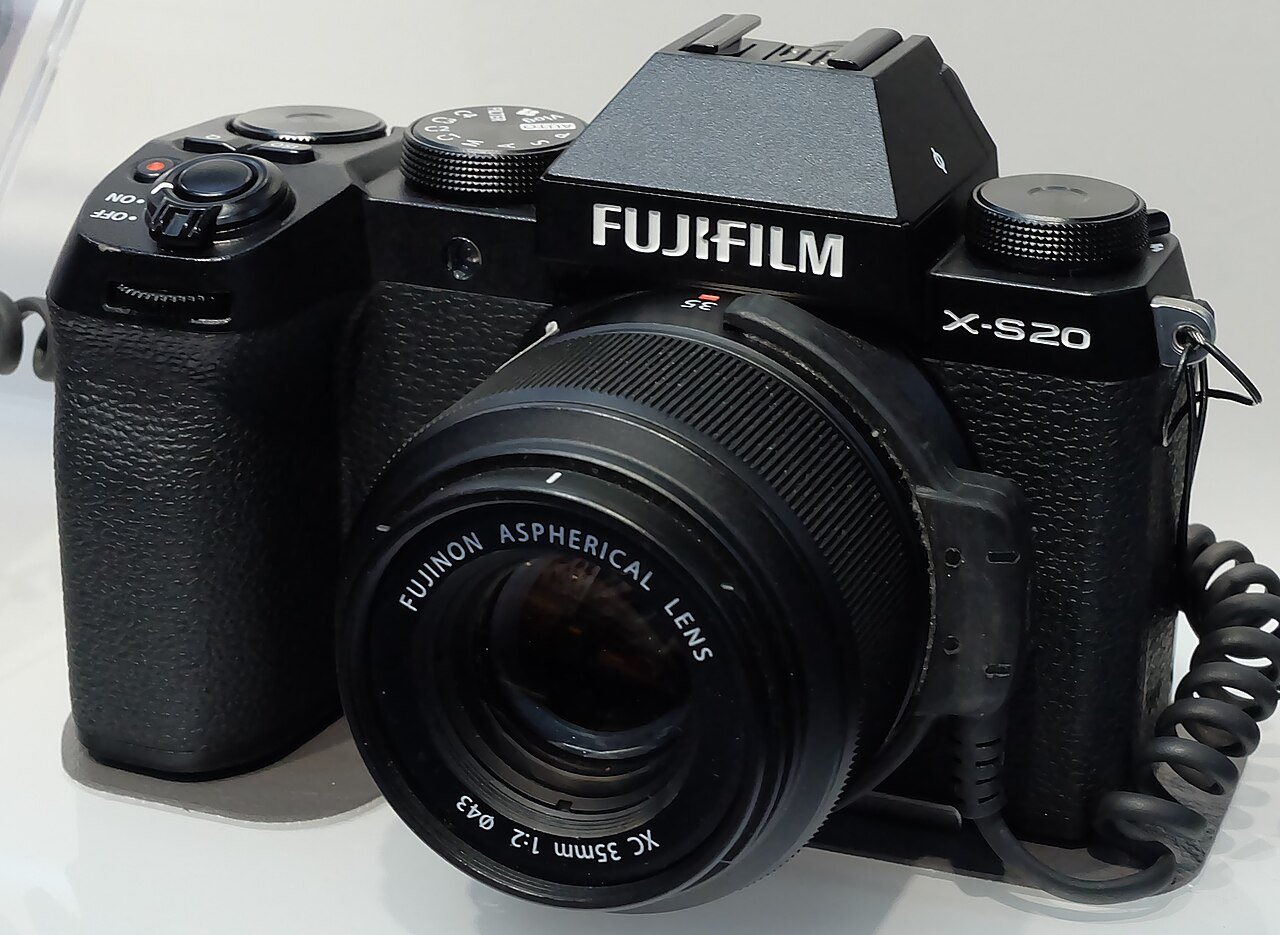
The X-S20 combines Fujifilm’s famous film simulations, which give you beautiful colors straight out of the camera, with in-body stabilization rated up to 7 stops, a large battery and 6.2K video. It’s a favorite for creators who want great-looking photos and video without heavy editing.
Key specs: 26.1MP X-Trans CMOS 4 · IBIS up to 7 stops · 6.2K video · Vari-angle screen · NP-W235 battery · Fujifilm X mount
Pros: Gorgeous colors out of camera · Stabilized · Long battery life
Cons: No weather sealing · Autofocus a step behind Sony
Buy it if: You love the look of film and want a stabilized hybrid camera.
Skip it if: You shoot fast action where autofocus is critical.
05. Canon EOS R10: best step-up for action
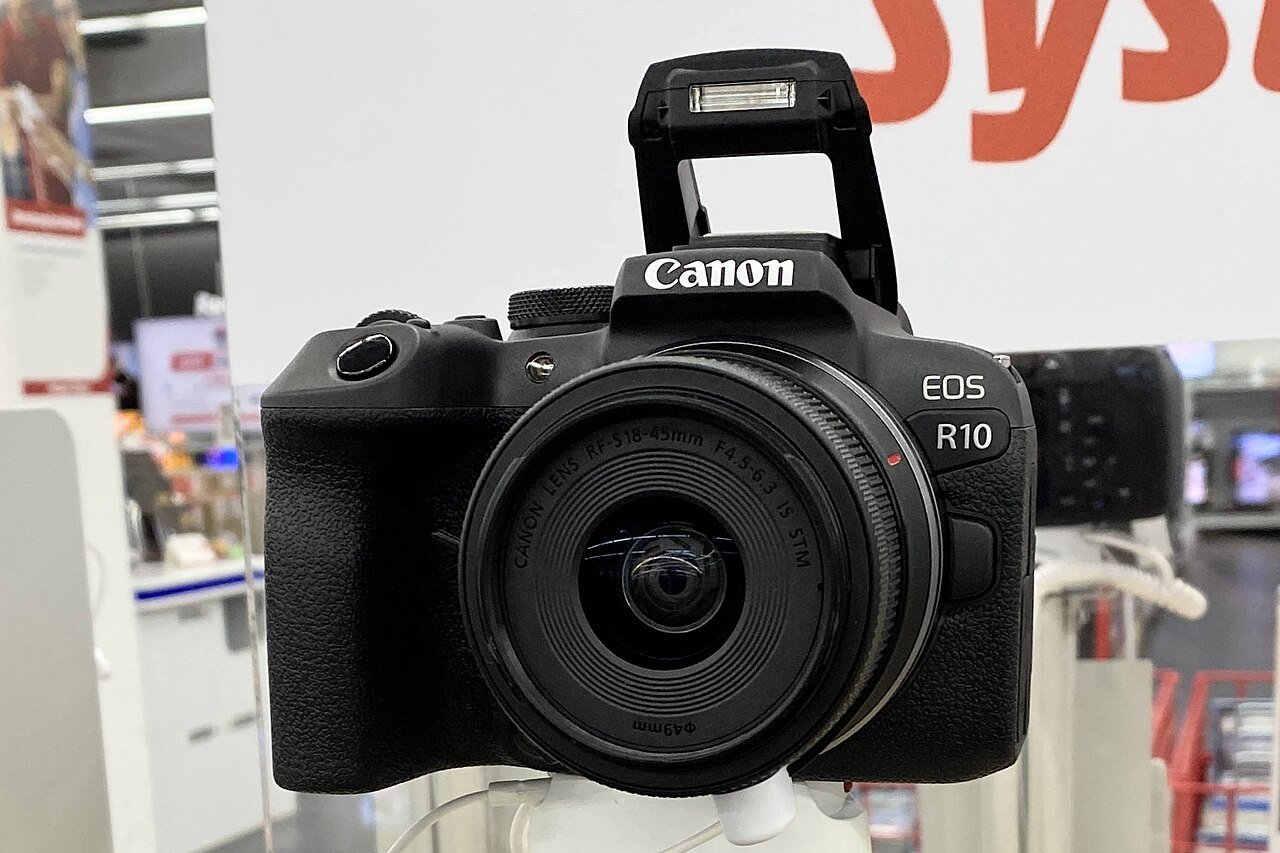
The R10 is what you get when you want more control than the R50 offers. It adds a second command dial, a joystick, faster burst shooting (up to 15 fps mechanical, 23 fps electronic) and a hot shoe that supports Canon’s multi-function accessories. It’s a great camera for kids’ sports and pets, and the kit with the RF-S 18-150mm lens gives you a lot of zoom range in one lens.
Key specs: 24.2MP APS-C · Up to 23 fps · Dual dials and joystick · 4K video · Canon RF mount
Pros: Fast burst shooting · More physical controls · Same great autofocus
Cons: No in-body stabilization · Small battery
Buy it if: You shoot moving subjects and want quicker controls.
Skip it if: You mostly take casual photos. The R50 is enough.
06. Sony α6400: best budget way into E-mount
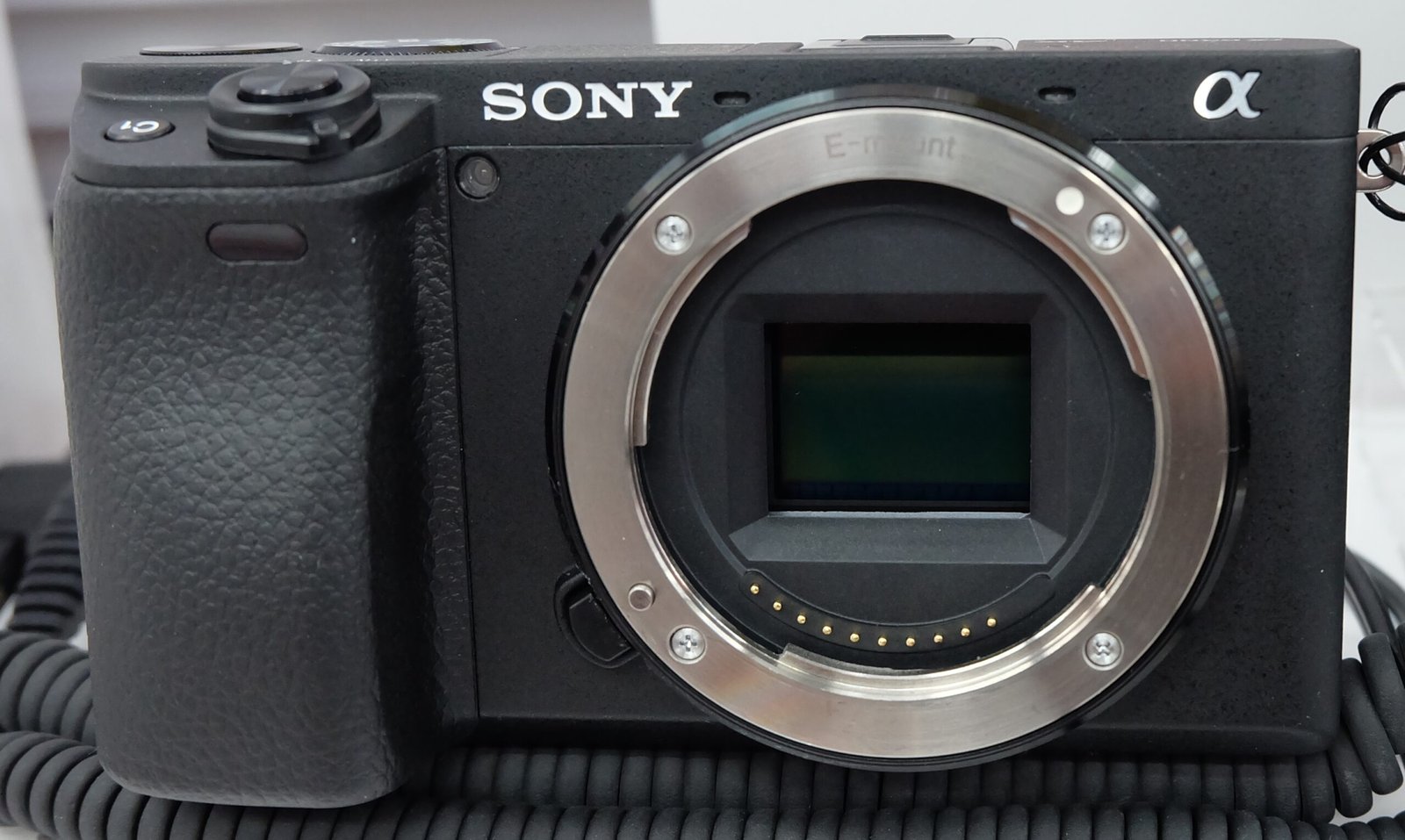
The α6400 launched back in 2019, but Sony still sells it, and it remains a solid entry point into the E-mount system. Real-time tracking autofocus still holds up well, and the screen flips up 180° for vlogging. Read our full Sony α6400 review.
Key specs: 24.2MP APS-C · Real-time tracking AF · 4K 30p · 180° flip screen · Sony E-mount
Pros: Proven autofocus · Access to Sony’s lens ecosystem · Often discounted
Cons: Older menus · No in-body stabilization · Small battery · Flip screen blocked by a top mic
Buy it if: You want into Sony’s system for less and find a good deal.
Skip it if: You can afford the α6700, which fixes nearly every weakness.
07. Canon EOS R8: best way into full frame
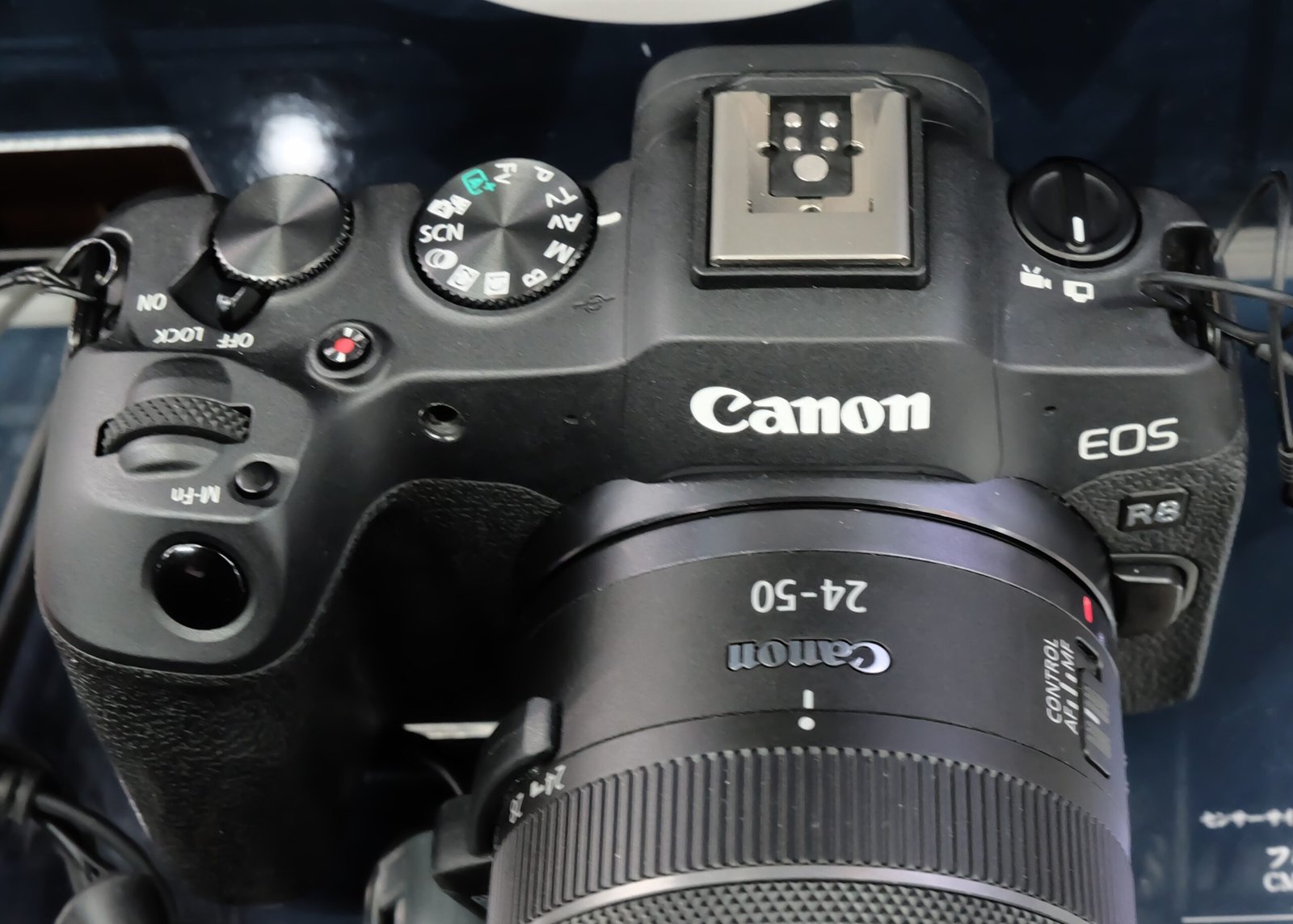
The R8 puts the same 24.2MP full-frame sensor as Canon’s more expensive EOS R6 Mark II into a body about the size of the R50. That means better low-light performance and shallower depth of field than any APS-C camera here, plus uncropped 4K 60p video.
Key specs: 24.2MP full frame · 4K 60p uncropped · Advanced subject tracking · Canon RF mount
Pros: Full-frame image quality for $1,499 · Compact and light
Cons: No in-body stabilization · Small battery · Single card slot · Full-frame lenses cost more
Buy it if: You want full-frame low-light performance on a budget.
Skip it if: You need long battery life or dual card slots for paid work.
08. Nikon Z fc: best retro style
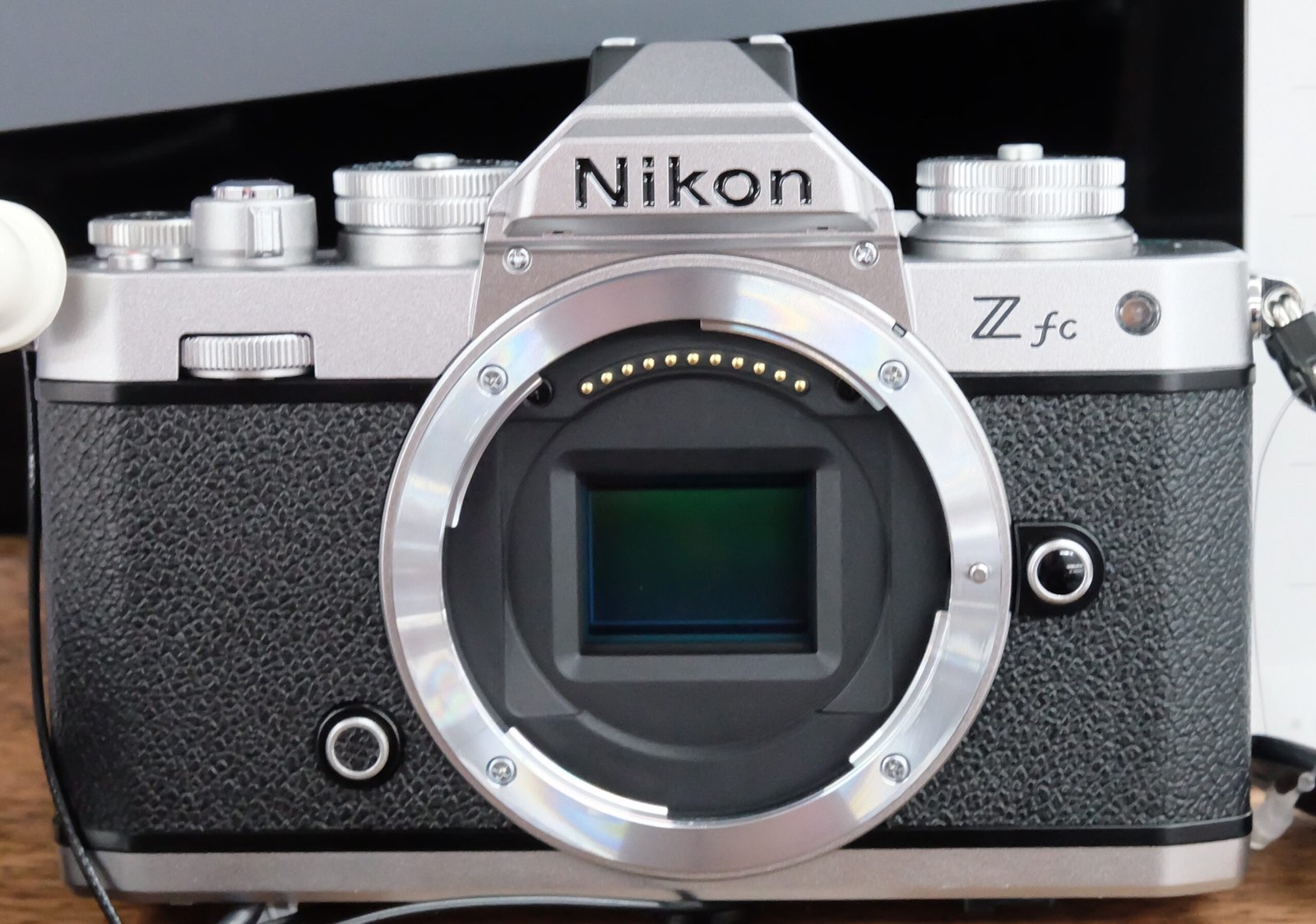
The Z fc is styled after Nikon’s classic film SLRs, with physical dials for shutter speed, ISO and exposure compensation on top. It’s a joy to use if you like the hands-on feel of film cameras, and it shares the Z50’s sensor and lens mount.
Key specs: 20.9MP APS-C · Physical exposure dials · Vari-angle touchscreen · 4K 30p · Nikon Z mount
Pros: Beautiful design · Tactile controls · Light and portable
Cons: Flat grip · No in-body stabilization · Older processor than the Z50II
Buy it if: Style and tactile controls matter to you as much as specs.
Skip it if: You use long lenses. The flat body is harder to hold.
09. Canon EOS R7: best for wildlife and sports
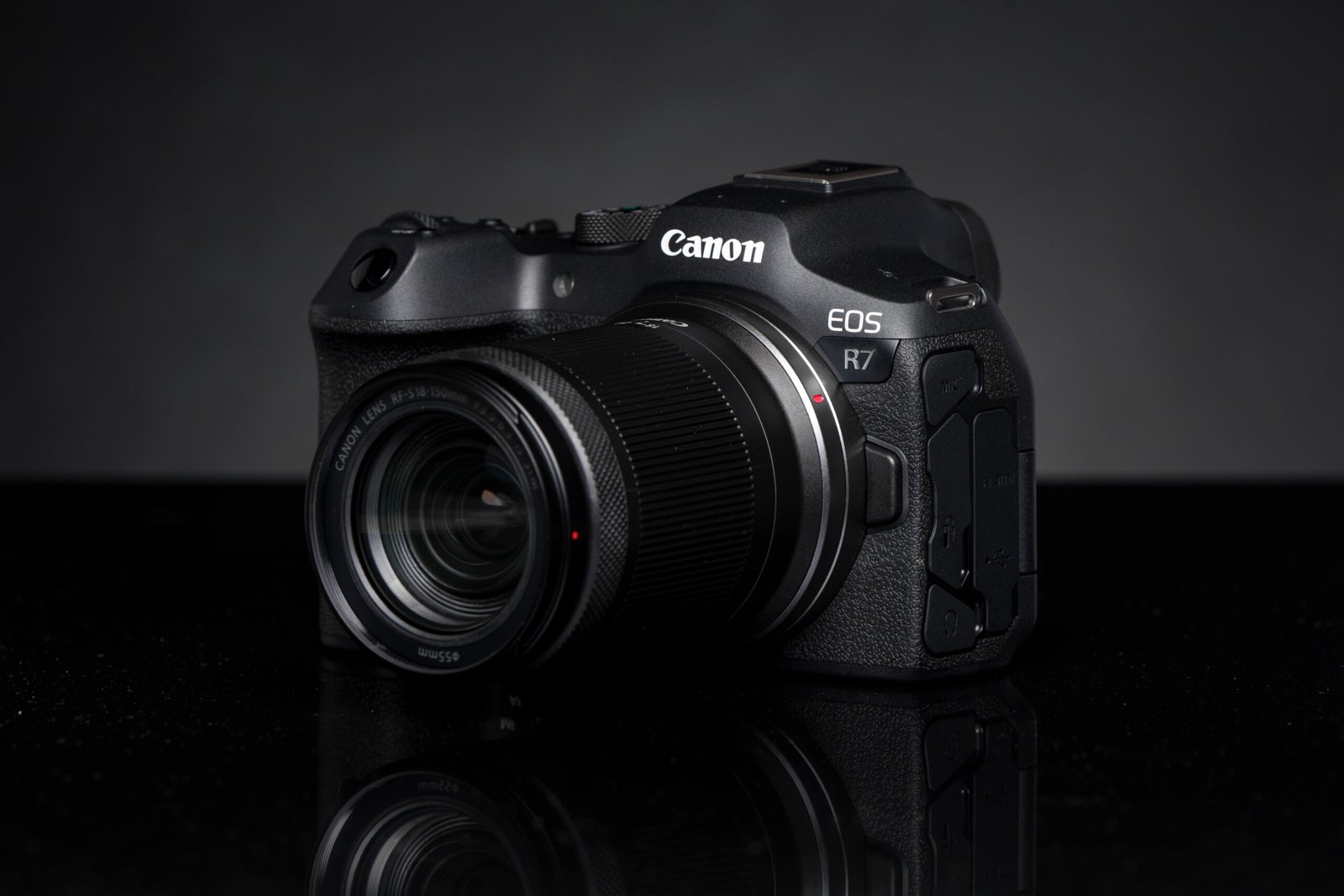
The R7 is Canon’s enthusiast APS-C camera. Its 32.5MP sensor gives you extra room to crop, and the 1.6x crop factor makes telephoto lenses act even longer, which is why it’s popular with bird and wildlife photographers. It adds in-body stabilization, dual UHS-II card slots and weather sealing.
Key specs: 32.5MP APS-C · IBIS · Up to 15 fps mechanical / 30 fps electronic · Dual UHS-II SD slots · Weather sealed · Canon RF mount
Pros: High resolution for cropping · Stabilized · Pro-style build
Cons: Expensive for APS-C · Electronic shutter can show distortion with fast motion
Buy it if: You shoot birds, wildlife or sports with long lenses.
Skip it if: You’re a beginner. Its controls and price are aimed at enthusiasts.
10. Fujifilm X-M5: smallest camera with film looks
The X-M5 is Fujifilm’s smallest and most affordable interchangeable-lens camera, weighing about 355g. It has the same 26.1MP sensor as the X-S20, a dedicated film simulation dial on top, 6.2K video and a vari-angle screen. The big trade-off is that there’s no viewfinder, so you compose on the screen like a phone.
Key specs: 26.1MP X-Trans CMOS 4 · X-Processor 5 · Film simulation dial · 6.2K video · Vari-angle screen · No EVF · Fujifilm X mount
Pros: Tiny and light · Beautiful film simulations · Great value
Cons: No viewfinder · No in-body stabilization · Small battery
Buy it if: You want a pocketable camera with lovely colors for travel and everyday life.
Skip it if: You need a viewfinder for bright sunlight.
How to choose a mirrorless camera
- Choose a lens system, not just a body. Sony E-mount has the most lenses; Canon RF and Nikon Z have fewer affordable APS-C lenses; Fujifilm X has excellent primes. Price a good standard zoom before setting your budget.
- APS-C is the smart starting point. Bodies and lenses cost less and are lighter. Full frame helps mostly in low light and for very shallow depth of field.
- Decide if you need stabilization. In-body stabilization (α6700, X-S20, R7) helps handheld video and slow shutter speeds. Otherwise, choose stabilized lenses.
- Budget for the whole kit. Add a spare battery, a fast SD card and a bag. See our camera kit budget guide.
- Hold it before you buy. Grip, menus and viewfinder feel matter more than any spec sheet.
Frequently asked questions
Is APS-C or full frame better for beginners?
APS-C is usually the better start: cameras and lenses cost less and weigh less. Full frame matters most for low light and very blurry backgrounds.
Do I need in-body stabilization (IBIS)?
It helps with handheld video and low-light photos but isn’t essential if your lens is stabilized. It matters most for video creators.
Which lens should I buy first?
A standard zoom (roughly 24–70mm full-frame equivalent) covers most situations. Add a fast prime like a 50mm f/1.8 equivalent later for portraits and low light.
Is a mirrorless camera better than my phone?
For portraits, low light, action and zoom, yes, by a wide margin. Phones still win on convenience and instant sharing.
The bottom line
For most beginners, the Canon EOS R50 is the easiest place to start. If you want one camera that does photos and video at a high level, get the Sony α6700. And if low-light image quality is your priority, the Canon EOS R8 is the most affordable way into full frame.