
A creator camera has a different job than a photography camera. What matters most is a screen that flips to face you, reliable face-tracking autofocus, a microphone input, decent battery life for long takes and good-looking video straight out of the camera. Megapixels barely matter.
This list covers ten cameras for YouTube, vlogging, streaming and short-form video, from a pocket gimbal camera around $500 to a cinema-style body for serious filmmakers.
Quick verdict
Best overall for vloggers: Sony ZV-E10 II: 4K60, great autofocus and a big battery.
Best value: Canon EOS R50 V: 10-bit video, vertical mount and a $649.99 body price.
Best pocket camera: DJI Osmo Pocket 3: a 1-inch sensor on a built-in gimbal.
Compare the ten picks
| Pick | Best for | Sensor | Max 4K frame rate | Launch price |
|---|---|---|---|---|
| 01. Sony ZV-E10 II | Vloggers | 26MP APS-C | 4K 60p (cropped) | $999 (body) |
| 02. Canon EOS R50 V | Budget creators, vertical video | 24.2MP APS-C | 4K 60p (cropped) | $649.99 (body) |
| 03. Canon EOS R50 | Photos and video | 24.2MP APS-C | 4K 30p | $679.99 (body) |
| 04. Sony α6700 | Serious hybrid creators | 26MP APS-C | 4K 120p | $1,399.99 (body) |
| 05. Fujifilm X-S20 | Color and stabilization | 26.1MP APS-C | 6.2K / 4K 60p | $1,299.95 (body) |
| 06. DJI Osmo Pocket 3 | Pocket vlogging | 1-inch | 4K 120p | $519 |
| 07. Sony ZV-1 II | Compact, wide lens | 1-inch | 4K 30p | $899.99 |
| 08. Nikon Z30 | Compact Nikon option | 20.9MP APS-C | 4K 30p | $709.95 (body) |
| 09. Sony FX30 | Cinema-style filmmaking | 26MP APS-C | 4K 120p | $1,799.99 (body) |
| 10. Fujifilm X-H2S | Pro video and speed | 26.1MP APS-C stacked | 6.2K / 4K 120p | $2,499.95 (body) |
The picks and their trade-offs
01. Sony ZV-E10 II: best overall for vloggers
The ZV-E10 II fixes the original’s biggest weaknesses. It moves to a 26MP sensor shared with the α6700 and FX30, adds 4K at up to 60p (with a 1.1x crop) and 10-bit recording, and switches to the large NP-FZ100 battery, which Sony rates for up to 195 minutes of continuous recording. It keeps the side-flip screen, mic input and Product Showcase mode creators love.
Key specs: 26MP APS-C BSI · BIONZ XR · 4K 60p (1.1x crop), 4K 30p full width · 10-bit · NP-FZ100 battery · Vari-angle screen · 3.5mm mic input · Sony E-mount
Pros: Excellent battery life · Fast, reliable autofocus · Huge lens choice
Cons: No viewfinder · No in-body stabilization · No mechanical shutter
Buy it if: You film yourself a lot and want room to grow with better lenses.
Skip it if: You mostly shoot stills.
02. Canon EOS R50 V: best value for creators
Launched in 2025, the R50 V takes the R50’s sensor and puts it in a boxy, video-first body with features borrowed from Canon’s Cinema EOS line: a second tripod socket for vertical video, a front record button, a tally light, 10-bit 4:2:2 recording and Canon Log 3. It drops the viewfinder to save size. At $649.99 body-only ($849.99 with the 14-30mm power zoom), it’s the cheapest camera here with these video features.
Key specs: 24.2MP APS-C · 4K 30p (6K oversampled), 4K 60p cropped · 10-bit 4:2:2, C-Log 3 · Vertical tripod mount · Tally lamp · No EVF · Canon RF mount
Pros: Pro-style video features at a low price · Great for TikTok, Reels and Shorts · Light
Cons: No in-body stabilization · Small battery · No viewfinder
Buy it if: You make vertical and short-form video on a budget.
Skip it if: You also want a viewfinder for photography. Get the regular R50.
03. Canon EOS R50: best for photos and video
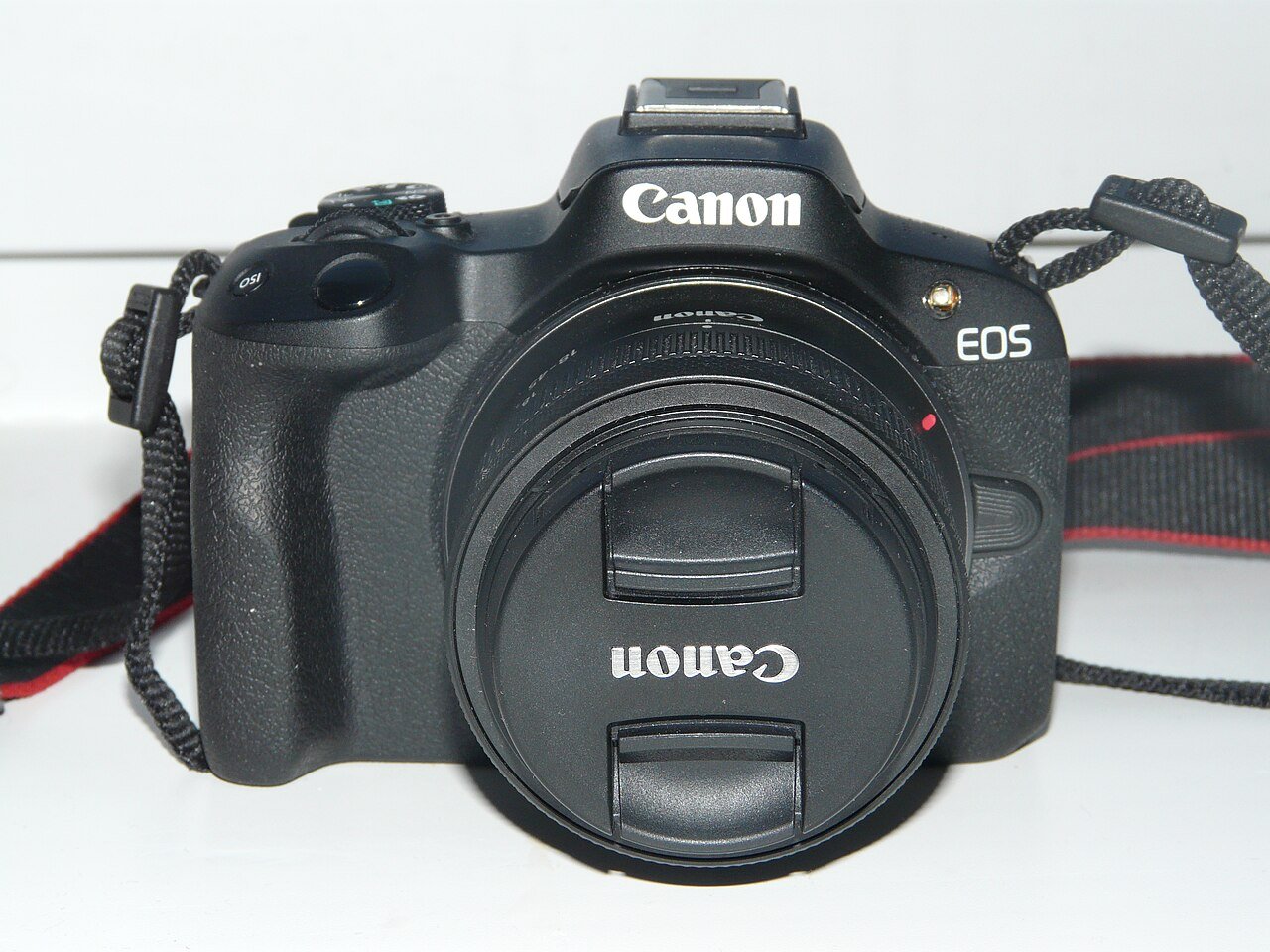
If you want one camera for both YouTube and great photos, the regular R50 keeps a viewfinder and a more traditional grip while sharing the R50 V’s sharp, oversampled 4K. It’s small, simple and excellent for beginners. Read our full Canon EOS R50 review.
Key specs: 24.2MP APS-C · 4K 30p (6K oversampled) · Vari-angle screen · EVF · Mic input · Canon RF mount
Pros: Beginner-friendly · Viewfinder for stills · Compact
Cons: No in-body stabilization · Small battery · 8-bit video only
Buy it if: You split your time between photos and video.
Skip it if: You only shoot video. The R50 V is cheaper and better for it.
04. Sony α6700: best for serious hybrid creators
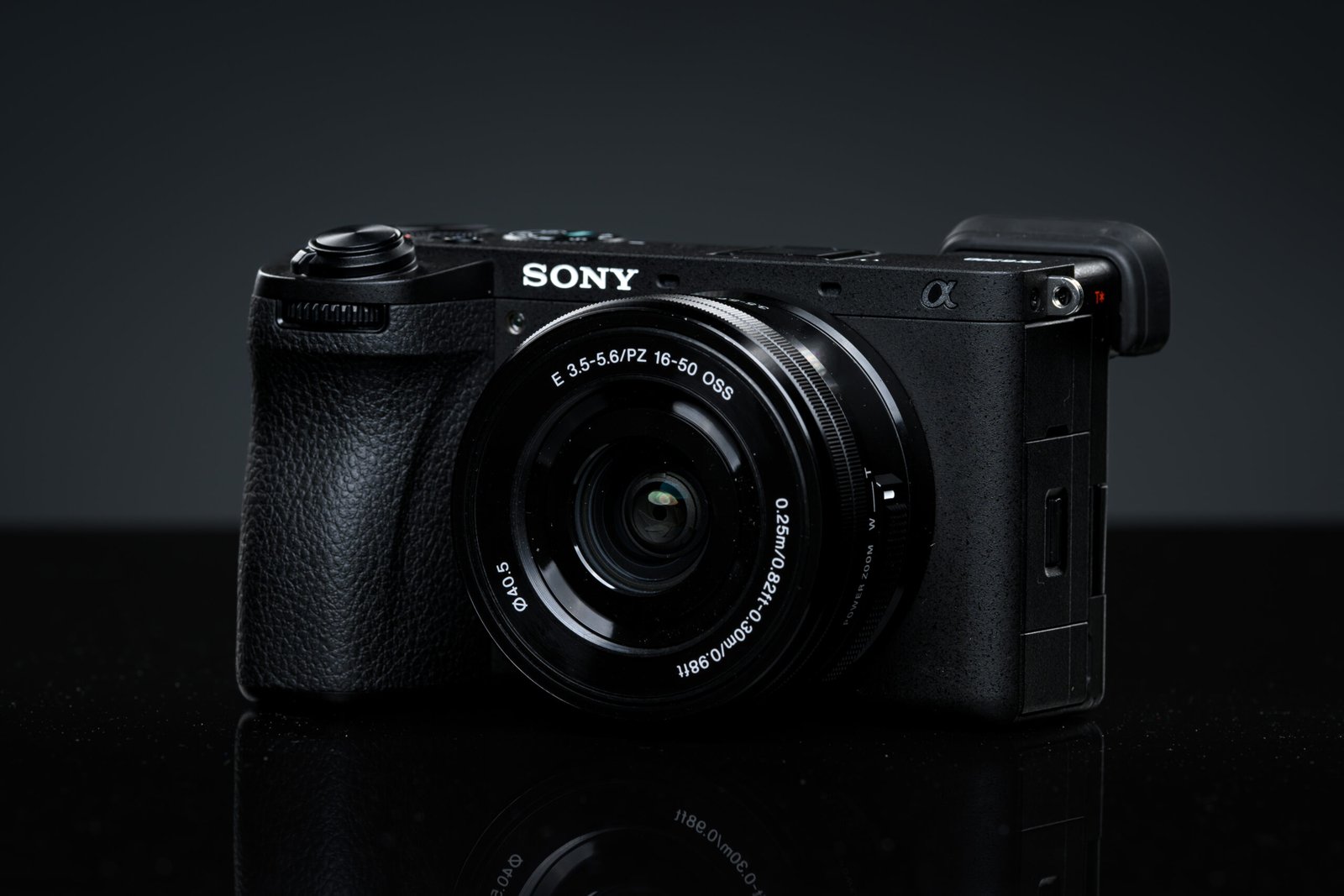
The α6700 adds what the ZV-E10 II lacks: 5-axis in-body stabilization, a viewfinder, a mechanical shutter and 4K at up to 120p. It’s the camera to get if you shoot both photos and video seriously, or if you film handheld while walking.
Key specs: 26MP APS-C · 5-axis IBIS · AI subject tracking · 4K up to 120p · 10-bit, S-Log3 · EVF · Sony E-mount
Pros: Stabilized · Excellent autofocus · Strong battery
Cons: Much pricier than vlog-focused bodies
Buy it if: You want one camera for serious photo and video work.
Skip it if: You only vlog from a tripod. The ZV-E10 II is enough.
05. Fujifilm X-S20: best for color and stabilization
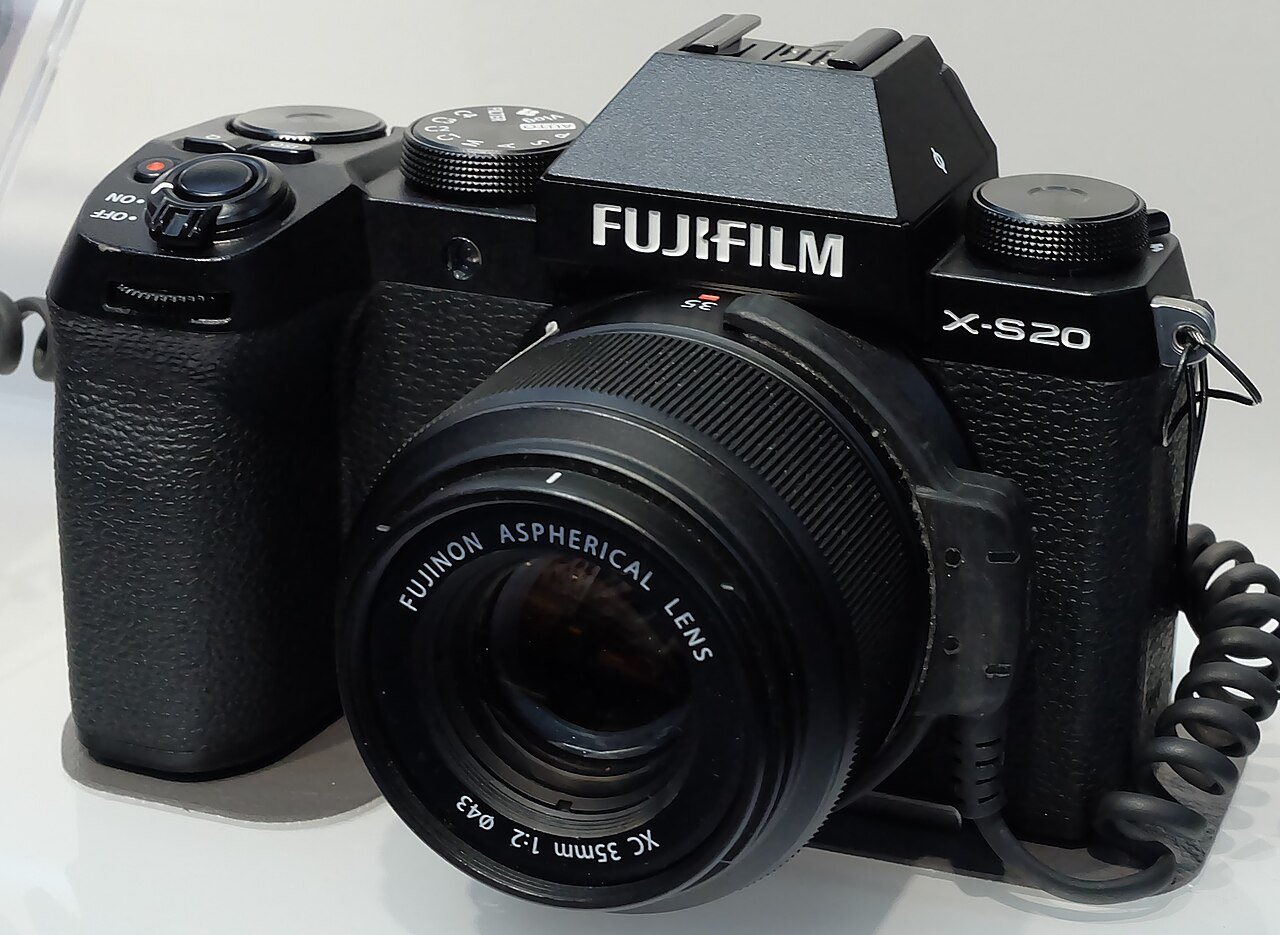
The X-S20 is a creator favorite for its film simulations, which give footage a finished look without color grading. It adds in-body stabilization, 6.2K open-gate video, a dedicated Vlog mode and a large NP-W235 battery.
Key specs: 26.1MP X-Trans 4 · IBIS up to 7 stops · 6.2K 30p, 4K 60p · F-Log2 · Vlog mode · Vari-angle screen · Fujifilm X mount
Pros: Beautiful colors · Stabilized · Long battery life
Cons: No weather sealing · Autofocus behind Sony
Buy it if: You want great-looking footage with minimal editing.
Skip it if: You shoot fast-moving subjects.
06. DJI Osmo Pocket 3: best pocket vlog camera
The Osmo Pocket 3 is a tiny camera on a 3-axis mechanical gimbal, so walking shots look smooth without any extra gear. Its 1-inch sensor handles low light far better than a phone, it shoots 4K at up to 120p, and the 2-inch screen rotates for horizontal or vertical video. It’s one of the most popular creator cameras for travel and daily vlogs.
Key specs: 1-inch sensor · 3-axis gimbal · 4K up to 120p · 2-inch rotating touchscreen · Face tracking
Pros: Ultra-smooth footage · Fits in a pocket · Fast to start recording
Cons: Fixed wide lens · Not ideal for photos · Gimbal can be fragile
Buy it if: You vlog on the move and want smooth footage with no setup.
Skip it if: You want background blur or interchangeable lenses.
07. Sony ZV-1 II: best compact with a wide lens
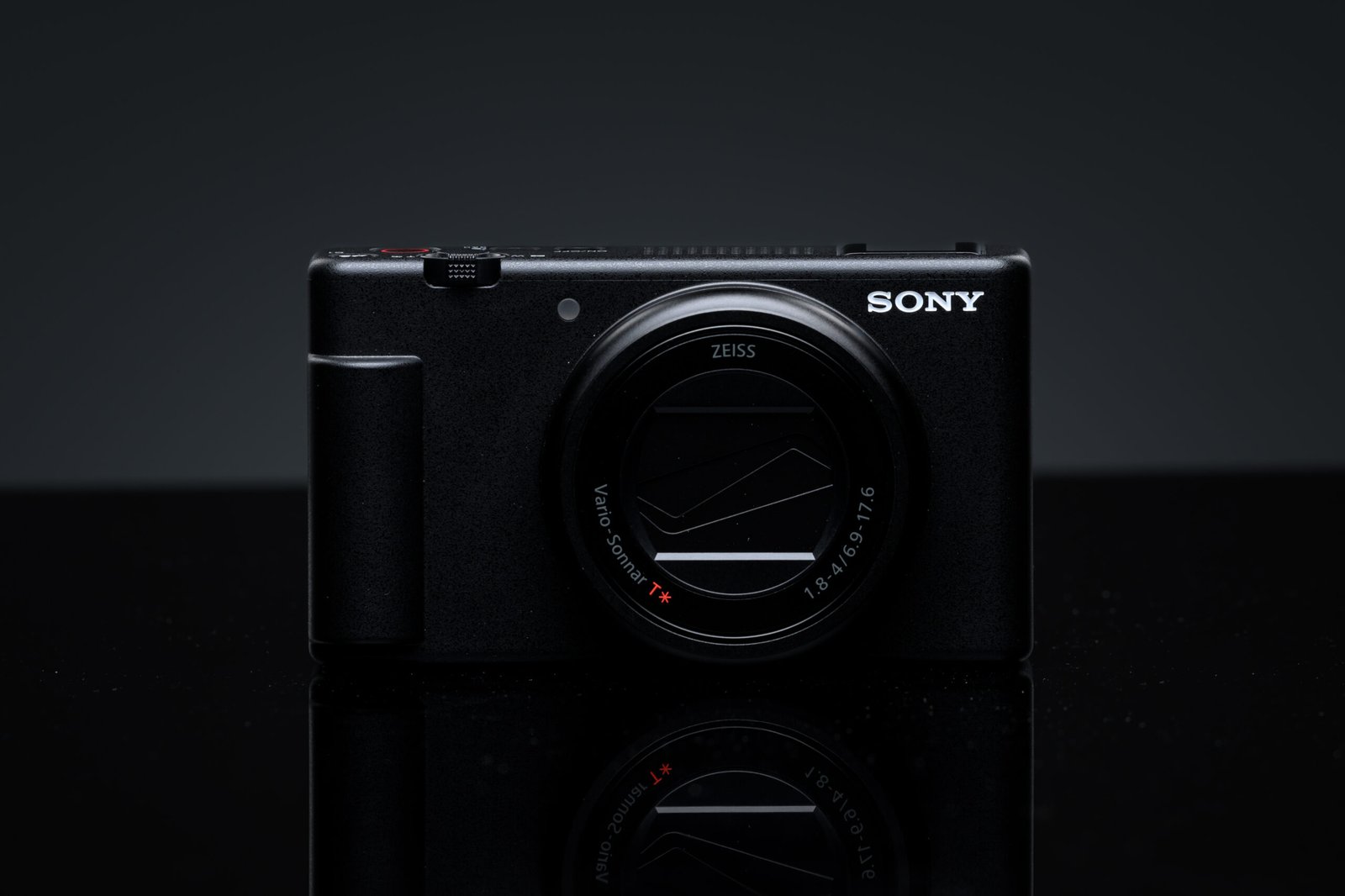
The ZV-1 II is a compact camera with a 1-inch sensor and an 18-50mm equivalent zoom, wide enough to fit you and the background when holding it at arm’s length. It has a flip screen, a good built-in mic with windscreen and Sony’s background-defocus button.
Key specs: 1-inch sensor · 18-50mm equivalent lens · 4K 30p · Vari-angle screen · Directional 3-capsule mic
Pros: Wide lens for selfie vlogging · Very compact · Great built-in audio
Cons: No stabilization beyond digital · Short battery life · Fixed lens
Buy it if: You want a camera that fits in a jacket pocket but looks better than a phone.
Skip it if: You walk while filming. The Osmo Pocket 3 is smoother.
08. Nikon Z30: compact Nikon creator camera
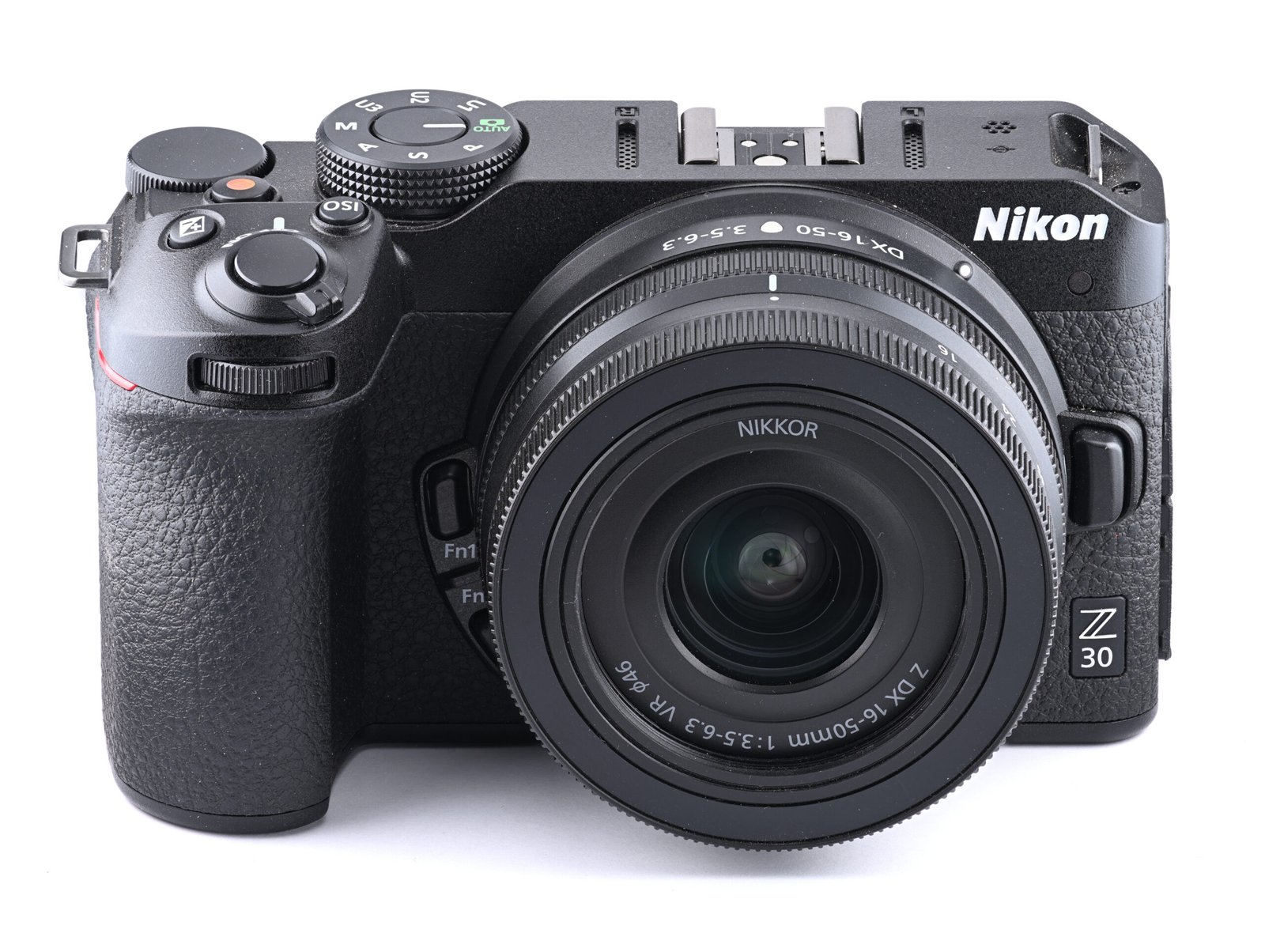
The Z30 is Nikon’s creator-focused body: no viewfinder, a flip-out screen, a red tally light and no 30-minute recording limit. Its deep grip makes it comfortable to hold at arm’s length, and it uses the same Z-mount lenses as Nikon’s other cameras.
Key specs: 20.9MP APS-C · 4K 30p · Vari-angle screen · Tally light · No EVF · Nikon Z mount
Pros: Comfortable grip · Simple to use · Often discounted
Cons: No in-body stabilization · Older processor than the Z50II · Small battery
Buy it if: You prefer Nikon’s handling and find it on sale.
Skip it if: You can afford the ZV-E10 II, which has better battery and video specs.
09. Sony FX30: best cinema-style camera
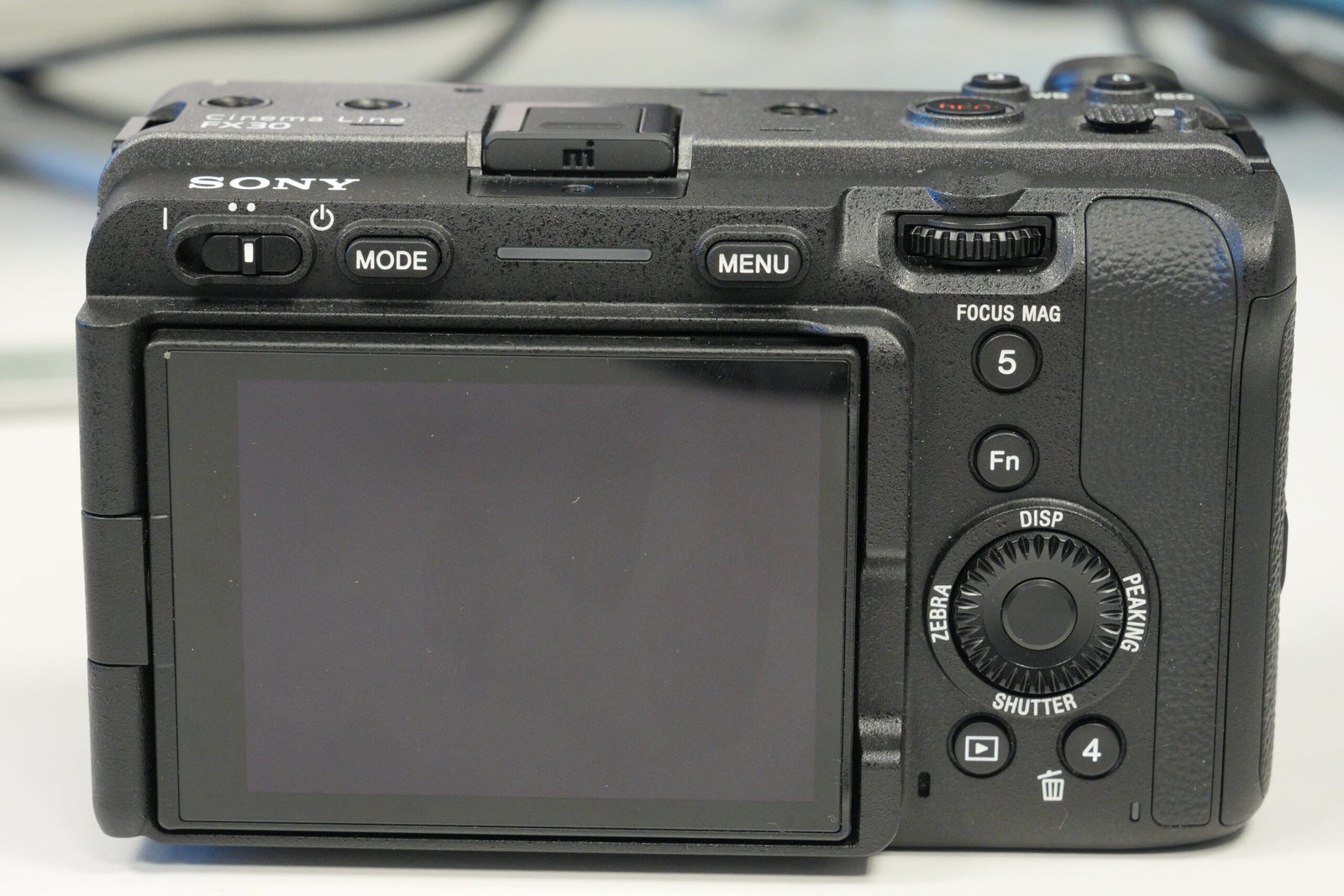
The FX30 is Sony’s entry into its Cinema Line. It’s built for filmmaking: dual base ISO for clean low-light footage, S-Cinetone color, 4K up to 120p, a cooling fan for long recordings and plenty of mounting points for rigs. It’s the camera to grow into if you’re serious about short films or high-end YouTube.
Key specs: 26MP APS-C · Dual base ISO · 4K up to 120p · S-Cinetone, S-Log3 · Active cooling · IBIS · Sony E-mount
Pros: Unlimited recording with cooling · Cinema color science · Rig-friendly design
Cons: No viewfinder · Not designed for photography
Buy it if: Video is your main focus and you want cinematic results.
Skip it if: You also need a stills camera.
10. Fujifilm X-H2S: best for pro video and speed
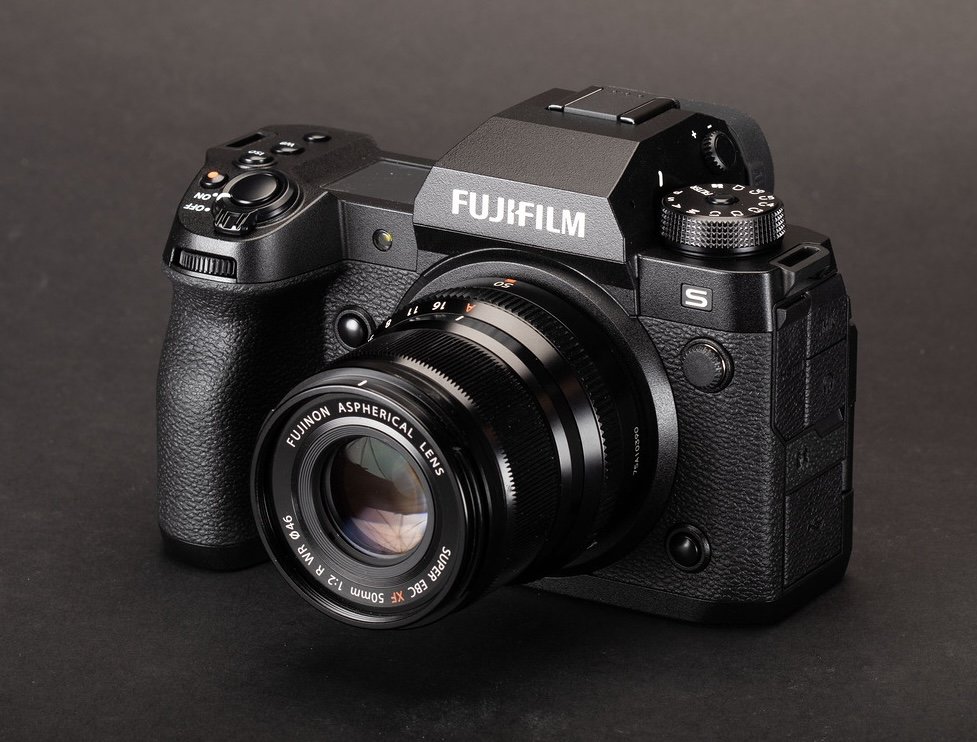
The X-H2S uses a fast stacked sensor that reduces rolling shutter, and records 6.2K and 4K up to 120p internally in ProRes. It has in-body stabilization, a large viewfinder and weather sealing. It’s a pro tool priced like one.
Key specs: 26.1MP stacked X-Trans 5 · IBIS · 6.2K 30p, 4K up to 120p · Internal ProRes · Weather sealed · Fujifilm X mount
Pros: Pro codecs internally · Fast sensor · Excellent build
Cons: Expensive · Overkill for most YouTubers
Buy it if: You do paid video work and want pro codecs in a smaller body.
Skip it if: You’re starting out.
How to choose a creator camera
- Decide how you’ll film. Talking-head videos from a tripod need different features than walking vlogs. For walking shots, a gimbal camera (Osmo Pocket 3) or in-body stabilization helps most.
- Check the screen and mic input. A screen that flips to face you and a 3.5mm mic jack are must-haves.
- Look at battery life. Small batteries (R50, R50 V, Z30) mean carrying spares. The ZV-E10 II’s big battery is a major advantage.
- 10-bit matters if you color grade. It gives more flexibility in editing. If you post straight from the camera, 8-bit is fine.
- Budget for audio. A good microphone improves your videos more than any camera upgrade.
Frequently asked questions
Do I need 4K60 for YouTube?
No. 4K 30p is plenty for most YouTube and social content. 60p helps for slow motion and fast action but creates bigger files.
Is a camera better than my phone for vlogging?
A camera gives you better low-light quality, natural background blur, a real mic input and longer recording. A phone is fine to start; upgrade once you post regularly.
What’s the best lens for vlogging?
A wide zoom or prime around 16–24mm full-frame equivalent lets you fit yourself and the background at arm’s length.
What about audio?
Audio often matters more than image quality. A clip-on wireless mic or a small shotgun mic is the best first accessory for any creator.
The bottom line
For most vloggers, the Sony ZV-E10 II is the best all-round choice thanks to its battery and autofocus. If you’re on a budget or focused on vertical video, the Canon EOS R50 V is outstanding value. And if you want something that fits in your pocket and makes every walking shot smooth, get the DJI Osmo Pocket 3.