The Sony α6400 and Canon EOS R50 are two of the most popular entry-level mirrorless cameras. Both have 24.2MP APS-C sensors, excellent autofocus and 4K video, but they’re built for slightly different buyers. Here’s how they compare on the things that actually matter to a first-time camera owner.
Quick verdict
- Choose the Canon EOS R50 if you want the easiest, smallest and usually cheapest camera, with better 4K video and USB-C.
- Choose the Sony α6400 if you want the wider E-mount lens selection (including cheap third-party lenses), weather resistance and a slightly sturdier body, and you find it at a good discount.
For most first-time buyers, the R50 is the better all-round choice.
Specs compared
| Feature | Sony α6400 | Canon EOS R50 |
|---|---|---|
| Launched | 2019 | 2023 |
| Sensor | 24.2MP APS-C | 24.2MP APS-C |
| Lens mount | Sony E | Canon RF / RF-S |
| Autofocus | Real-time Tracking, Eye AF (people, animals) | Dual Pixel AF II, detection of people, animals, vehicles |
| Burst | Up to 11 fps | Up to 15 fps (electronic first curtain) |
| 4K video | 4K 30p with 1.2x crop | 4K 30p oversampled from 6K, no crop |
| In-body stabilization | No | No |
| Screen | Tilts up 180° | Fully articulating |
| Weather resistance | Dust and moisture resistant | No |
| Charging port | Micro USB | USB-C |
| Battery (CIPA, approx.) | ~400 shots | ~370 shots (LCD) |
| Weight | ~403g | ~375g |
| Body-only launch price | $899.99 | $679.99 |
Head-to-head
Ease of use: Canon wins
The R50’s guided menus explain settings in plain language and its controls are simpler. Sony’s older menu system on the α6400 is powerful but confusing for beginners.
Autofocus: tie
Both are excellent. Sony’s Real-time Tracking is famously sticky for fast subjects; Canon’s Dual Pixel AF II adds vehicle detection and is very easy to trust. Most beginners won’t notice a meaningful difference.
Video: Canon wins
The R50 records uncropped, oversampled 4K, has a fully articulating screen that isn’t blocked by a top microphone, and uses USB-C. The α6400 crops 4K 30p and its flip-up screen is blocked by a hot-shoe mic. Neither has in-body stabilization or a headphone jack.
Lenses: Sony wins
Sony E-mount has a much bigger range of affordable APS-C lenses, including excellent options from Sigma, Tamron and Viltrox. Canon’s RF-S selection is smaller, though it’s growing and full-frame RF lenses also fit.
Build: Sony wins
The α6400 has a magnesium alloy top and dust and moisture resistance. The R50 is lighter and more plasticky, with no weather sealing.
Price: Canon usually wins
The R50 launched at $220 less body-only, and its kit with the 18–45mm lens is usually cheaper than the α6400 kit. Discounts change often, so compare current prices.
Check current prices
Canon EOS R50
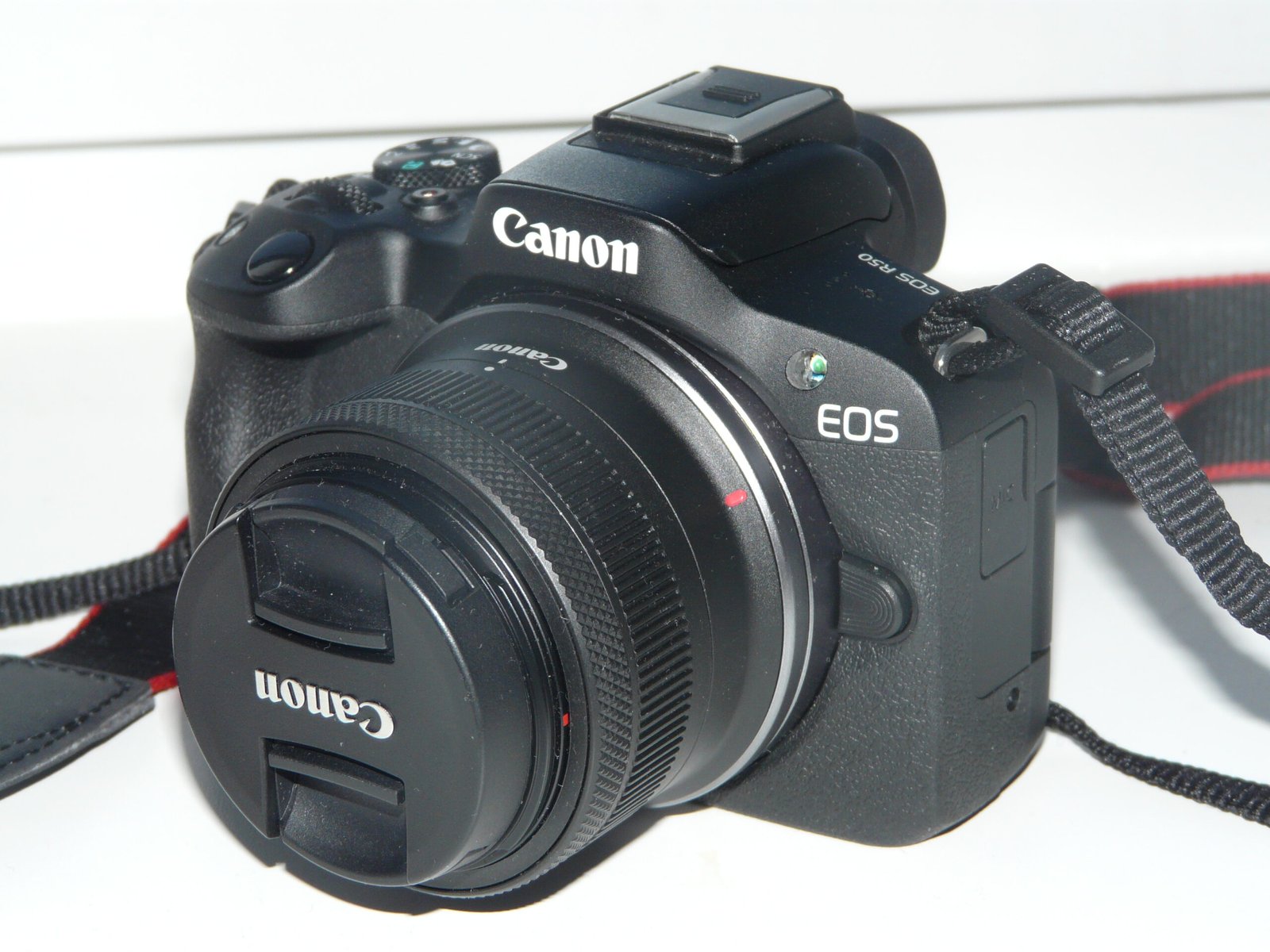
Buy it if: you want the easiest camera for photos and video. Skip it if: you need weather sealing or lots of cheap lenses. Launch price: $679.99 body only. Read our full R50 review.
Sony α6400
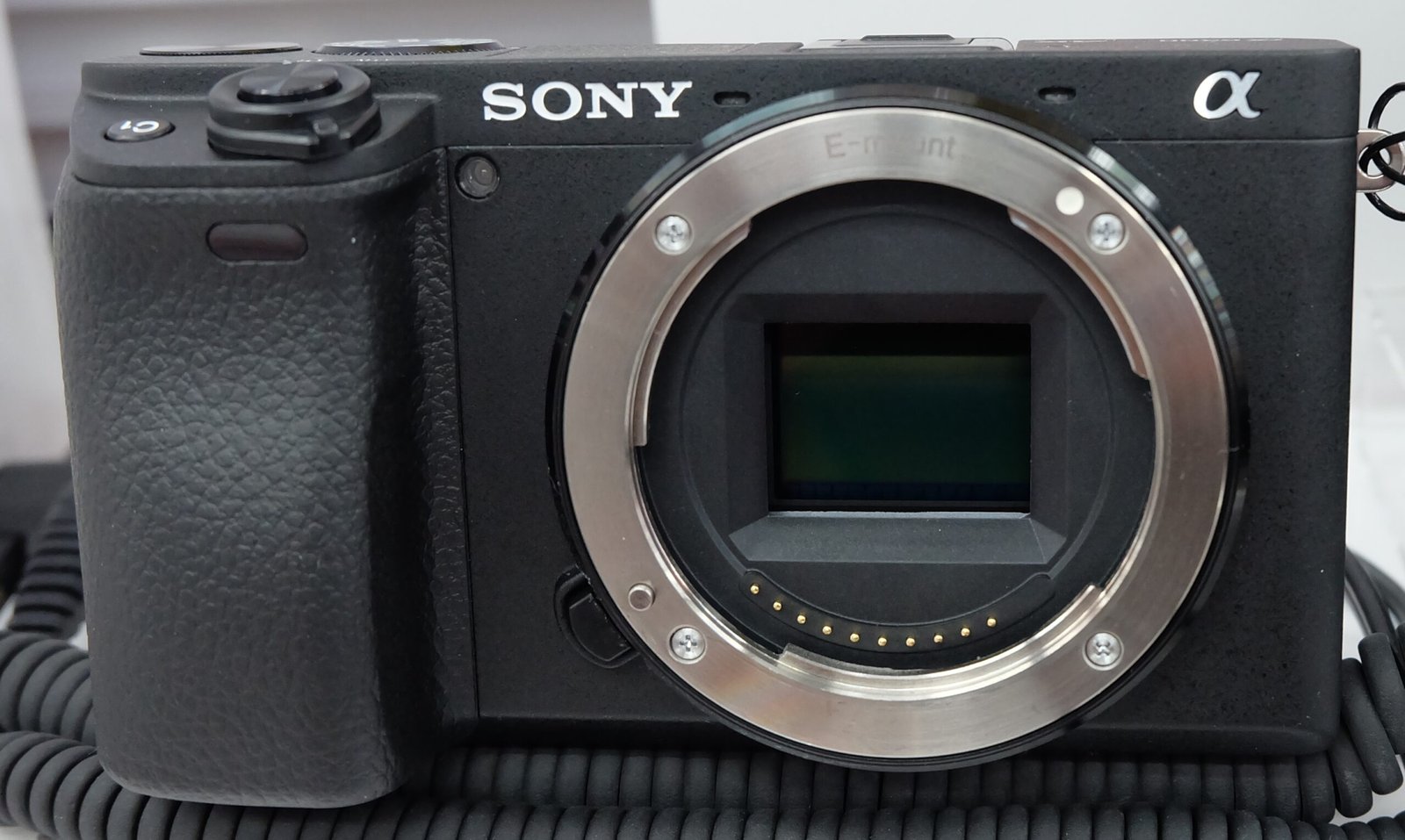
Buy it if: you want E-mount lenses, a sturdier body and find it discounted. Skip it if: video is a priority. Launch price: $899.99 body only. Read our full α6400 review.
Also consider
- Sony ZV-E10 II: better video than both, E-mount lenses, but no viewfinder.
- Canon EOS R50 V: video-focused R50 without a viewfinder.
- Sony α6700: in-body stabilization and much better video for more money. Check price on Amazon.
How to choose
- Pick the lens system first. Canon RF and Sony E lenses aren’t interchangeable, and you’ll likely keep lenses longer than the camera.
- Decide how much video you’ll shoot. Video-first buyers should favor the R50 or a dedicated video camera.
- Hold both if you can. Grip and menus matter more than small spec differences.
- Budget for the kit. Add a memory card, a spare battery and a bag. See our camera kit budget guide.
Frequently asked questions
Which is better for beginners?
The Canon EOS R50. Its guided menus, smaller body and lower price make it the easier first camera.
Which has better autofocus?
Both are excellent. Sony’s tracking has a slight reputation edge for fast action, while Canon’s is very intuitive and adds vehicle detection.
Which is better for video?
The R50, thanks to uncropped oversampled 4K, a fully articulating screen and USB-C. Neither has in-body stabilization.
Which has more lenses?
Sony E-mount, by a wide margin, especially affordable third-party APS-C lenses.
The bottom line
The Canon EOS R50 is the better choice for most beginners: it’s smaller, easier, better for video and usually cheaper. The Sony α6400 is still worth it at a good discount if you value its lens ecosystem, viewfinder-equipped sturdy body and weather resistance.