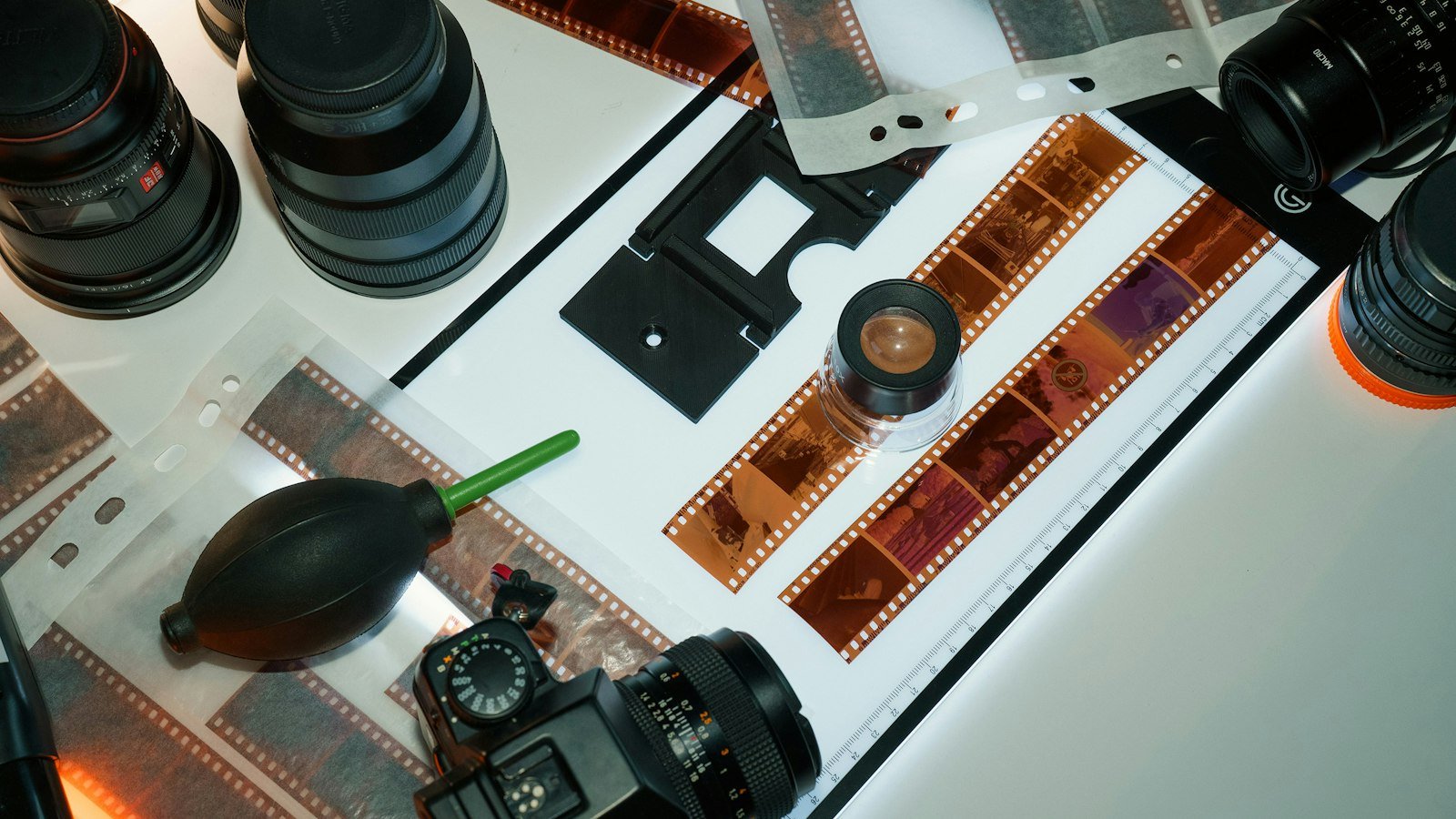
The camera body is only the beginning. Memory cards, batteries, a bag and eventually a second lens can add 20–40% to what you planned to spend. This guide shows what a realistic first kit costs, what you need on day one and what can wait until you know how you like to shoot.
What you need on day one
- Camera body with a kit lens: the core of the kit. A kit zoom (around 18–45mm or 15–45mm) covers everyday shooting.
- Memory card: a fast, name-brand SD card. 128GB is a comfortable start; get a V30 or faster card for 4K video.
- Spare battery: small mirrorless batteries often last only a few hundred shots or under an hour of video.
- Comfortable strap and a padded bag: protection for your investment.
- Cleaning kit: a blower and microfiber cloth for the lens and sensor area.
What can wait
- A second lens: shoot with the kit lens for a few months first. You’ll learn which focal lengths you miss.
- Tripod: essential for landscapes at night and long exposures, unnecessary for most everyday shooting.
- Filters, external flash and lights: useful for specific styles of photography; buy them when you need them.
- Editing software subscriptions: free tools are enough to start.
Three sample budgets
| Item | Starter (~$800) | Creator (~$1,250) | Enthusiast (~$1,700) |
|---|---|---|---|
| Camera + kit lens | Canon EOS R50 kit (~$700–$800) | Sony ZV-E10 II kit or Canon R50 V kit (~$650–$1,100) | Fujifilm X-M5 or Nikon Z50II kit (~$900–$1,100) |
| Memory card | 128GB V30 (~$20) | 128GB V60 (~$40) | 2 × 128GB V60 (~$80) |
| Spare battery | 1 (~$40–$60) | 1–2 (~$60–$100) | 2 (~$100) |
| Bag + strap | ~$40 | ~$50 | ~$80 |
| Extras | Cleaning kit | Shotgun mic + small tripod/grip | Fast prime lens (~$200–$450) |
Totals are rough planning estimates. Always compare the kit price against buying the body and lens separately.
How to choose the right camera for your kit
- List your subjects first. Family, travel, wildlife, sports, portraits and video all have different needs. Wildlife and sports need longer zoom lenses and better autofocus; video needs good stabilization and a microphone input.
- Think about the lens system, not just the body. Lenses outlast cameras. Canon RF, Sony E, Fujifilm X and Nikon Z all have affordable starter lenses, and used lenses are widely available.
- Check video features if you’ll film. Look for 4K without a heavy crop, a flip-out screen, a mic input and good battery life.
- Hold it if you can. Grip and controls matter more than spec sheets when you’re shooting every day.
Our full lists: Top 10 mirrorless cameras and Top 10 cameras for content creators.
Essential accessories
01. A fast SD card
Choose a name-brand card (SanDisk, Lexar, Samsung, ProGrade) with a V30 rating for 4K video, or V60 for higher bitrates and faster burst shooting. Fake cards are common, so buy from a trusted seller.
02. A spare battery
The official battery for your camera is the safest choice. Reputable third-party batteries can save money, but check reviews and compatibility with your exact model.
03. A padded camera bag or insert
A small sling bag is ideal for a body and one or two lenses. A camera insert lets you use a backpack you already own.
04. An on-camera microphone
For video, built-in mics are the weakest link. A compact shotgun mic or a wireless lavalier kit makes a bigger difference than a new camera.
05. A cleaning kit
A rocket blower, lens pen and microfiber cloths keep dust off your lens and sensor. Never use your shirt to clean a lens.
Your first lens upgrade
After a few months, most beginners pick one of these:
- A fast prime (around 50mm-equivalent, f/1.8): best for portraits, low light and blurred backgrounds. Often the cheapest big upgrade.
- A telephoto zoom (around 55–210mm): for sports, wildlife and kids at a distance.
- A wide-angle zoom: for landscapes, architecture and vlogging.
Used lenses from reputable sellers with a return period are a great way to save money. Check compatibility with your exact mount.
Frequently asked questions
What should I buy first with a new camera?
A memory card, a spare battery, a strap and a bag. The kit lens covers most everyday shooting.
Is the kit lens good enough?
For learning, yes. It covers wide to short telephoto. Upgrade when you know exactly what it can’t do for you.
Are used lenses safe?
From a reputable seller with a return policy, yes. Check for dust, scratches and fungus, and confirm the mount.
Do I need a tripod?
Not at first. Modern cameras and stabilized lenses handle most handheld shooting. Buy one for night, landscape or self-recorded video.
Should I buy a camera or just use my phone?
Phones are excellent for everyday photos. A camera is worth it for zoom, low-light action, shallow depth of field, interchangeable lenses and more control.
The bottom line
Budget for the whole kit, not just the body. Spend most of your money on the camera and lens, add a good card, a spare battery and a bag, and wait a few months before buying a second lens. Practice is a better first upgrade than gear you won’t use.